When Ecosystems Collide: The Non-Native Species Quietly Dismantling Pacific Coastal Habitats
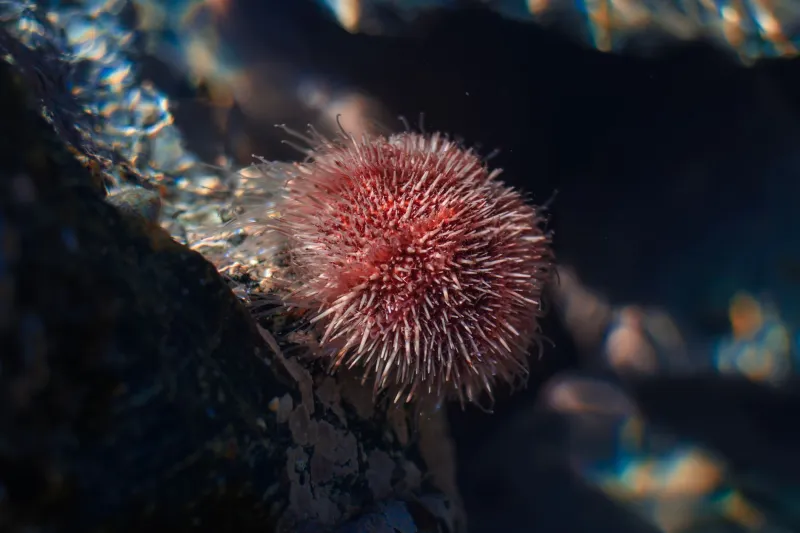
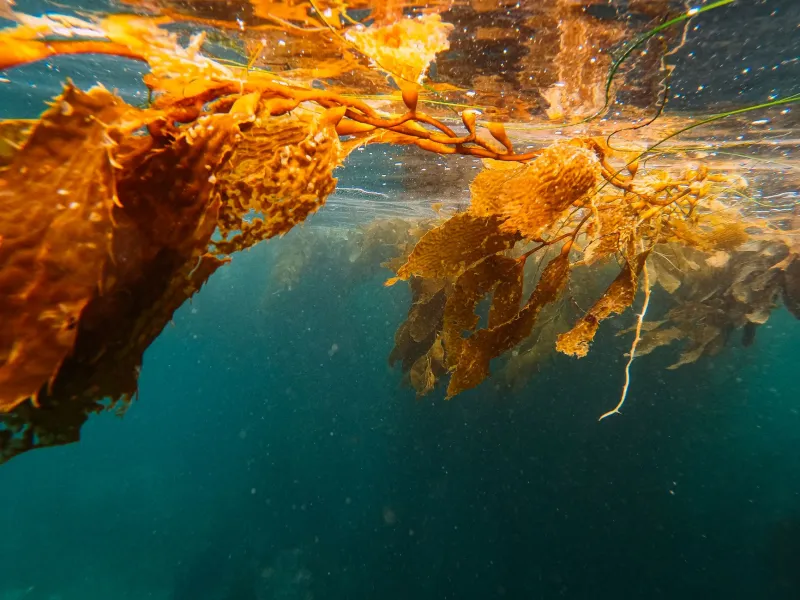
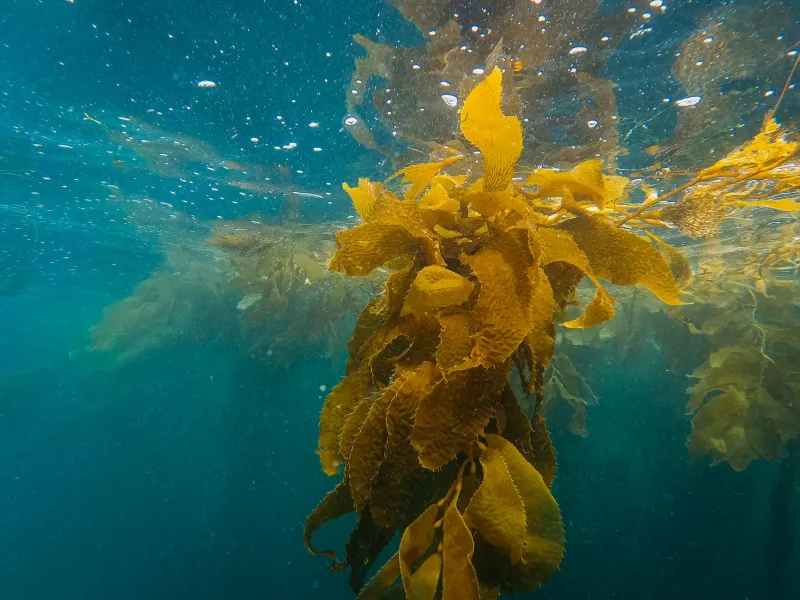
In the spring of 2022, researchers monitoring kelp forest transects off the Mendocino County coast documented something they had been dreading for years: near-total canopy loss across stretches of reef that, a decade earlier, had been thriving. The proximate cause was not warming water or pollution, though both played supporting roles. It was urchins—purple sea urchins (Strongylocentrotus purpuratus) in numbers so vast that they had consumed virtually every piece of kelp within reach and were now scraping bare rock in search of any remaining organic matter.
While purple urchins are native to California waters, their population explosion—driven partly by the collapse of their primary predator, the sunflower sea star, due to sea star wasting disease—illustrates a broader and more alarming phenomenon along the Pacific coast. Ecological imbalances, whether caused by native species behaving invasively or by genuinely non-native organisms establishing new footholds, are fundamentally reshaping marine and coastal habitats. And climate change, researchers warn, is making the situation considerably worse.
A Coast Under Pressure
The Pacific coast of the United States is one of the most ecologically productive coastlines in the world. Cold, nutrient-rich upwelling waters support extraordinary biodiversity, from the intertidal zones of Washington's Olympic Peninsula to the submarine kelp forests of the Channel Islands. But that productivity also makes these ecosystems attractive to opportunistic species looking for new territory.
Ballast water discharge from international shipping has long been recognized as a primary vector for non-native marine introductions. Ships arriving at major Pacific ports—Los Angeles, Long Beach, Seattle, Oakland—take on water in foreign ports and release it upon arrival, potentially depositing larvae, spores, and juvenile organisms from ecosystems thousands of miles away. Despite regulatory improvements over the past two decades, the problem has not been eliminated.
Recreational boating, the live seafood trade, and even the aquarium industry have contributed additional pathways. The European green crab (Carcinus maenas), now well established in Pacific estuaries from Northern California to British Columbia, is believed to have arrived through multiple introduction events, some potentially linked to packing material used in live seafood shipments.
The Green Crab Problem
Few invasive species on the Pacific coast have generated as much concern among ecologists and coastal managers as the European green crab. A voracious predator and competitor, it consumes juvenile Dungeness crab, clams, and mussels, and physically destroys eelgrass beds by burrowing and foraging in ways that destabilize sediments.
Eelgrass meadows are foundational to Pacific estuarine ecosystems. They provide nursery habitat for commercially important fish species, stabilize shorelines, and, as noted in the broader blue carbon literature, store meaningful quantities of carbon in their root systems. The green crab's disruption of these meadows therefore carries cascading consequences that extend well beyond the immediate loss of vegetation.
Tribal nations along the Pacific Northwest coast have been among the most vocal in raising alarms about green crab impacts. For communities whose cultures and livelihoods are intertwined with shellfish harvesting, the arrival of an aggressive predator that can consume thousands of small clams per day represents both an economic and a cultural threat. Tribal environmental departments in Washington State have partnered with state and federal agencies on trapping programs, but eradication is widely regarded as infeasible at this stage. Containment and monitoring are the more realistic goals.
Asian Clams and Infrastructure
Not all invasive species make their mark through predation. The Asian clam (Corbicula fluminea), introduced to Pacific coast waterways decades ago, has become a significant engineering problem. Dense colonies of these small freshwater bivalves colonize water intake pipes, cooling systems, and irrigation infrastructure, reducing flow rates and increasing maintenance costs for utilities, industrial facilities, and agricultural operations.
In the Sacramento-San Joaquin Delta, Asian clam populations have been implicated in altered nutrient dynamics that affect the broader estuary's ecological functioning. The clams filter phytoplankton so efficiently in some areas that they reduce the food available for native zooplankton and the fish species that depend on them—a subtle but consequential shift in the base of the food web.
Managing Asian clam infestations in freshwater infrastructure typically involves a combination of chlorination, thermal treatment, and physical removal—all of which are costly and require ongoing commitment. The economic burden falls disproportionately on water districts and agricultural users already contending with drought-related pressures.
Climate Change as an Accelerant
Perhaps the most unsettling dimension of the Pacific invasive species problem is the role that rising ocean temperatures are playing in facilitating new introductions and range expansions. Species that were historically excluded from northern Pacific waters by cold temperatures are increasingly able to survive and reproduce in habitats that were previously inhospitable.
The jumbo flying squid (Dosidicus gigas), native to the Humboldt Current system off South America, has extended its range dramatically northward in recent decades, appearing regularly in waters off Oregon and Washington—and occasionally as far north as Alaska. While it is not an invasive species in the strict sense, its presence in new areas affects prey availability for native marine mammals and seabirds and has created competitive pressures for commercial squid fisheries.
Researchers at Pacific-focused marine laboratories are increasingly incorporating climate projections into their invasive species risk assessments, attempting to identify which non-native organisms are most likely to establish themselves in U.S. Pacific waters over the coming decades as thermal barriers erode. The goal is to move from reactive to proactive management—identifying threats before they become entrenched.
The Researchers Racing the Clock
Across the Pacific coast, a network of ecologists, molecular biologists, and resource managers is working to better understand and counter the invasive species threat. Environmental DNA, or eDNA, technology has become an increasingly valuable tool in this work. By sampling water for genetic material shed by organisms—essentially, biological fingerprints floating in the environment—researchers can detect the presence of invasive species before populations become visible to conventional survey methods.
Early detection is critical. Management interventions are far more effective, and far less expensive, when applied to small, newly established populations than to those that have spread across hundreds of miles of coastline. The challenge is maintaining the monitoring infrastructure needed to catch introductions early, particularly along a coastline as extensive and varied as the Pacific's.
Some researchers are also exploring biological control options—the use of natural predators or pathogens to suppress invasive populations. These approaches carry their own ecological risks and require extensive testing before deployment, but they may offer a path toward longer-term management in cases where physical removal is not practical at scale.
What Is at Stake
The economic stakes of Pacific invasive species management are substantial. Commercial fisheries, aquaculture operations, tourism, and water infrastructure collectively represent hundreds of billions of dollars in economic activity tied to the health and functioning of Pacific coastal ecosystems. When invasive species degrade those ecosystems, the costs ripple outward through supply chains, employment, and community identity in ways that are difficult to fully quantify.
For the fishing communities of the Pacific Northwest, the kelp forest collapses and urchin barrens are not abstract environmental statistics—they represent lost seasons, shuttered operations, and generational uncertainty about whether the ocean will continue to support the livelihoods it once reliably provided.
Addressing the invasive species crisis on the Pacific coast requires sustained scientific investment, coordinated policy across jurisdictions, and genuine engagement with the coastal communities most directly affected. The window for effective action is narrowing, but it has not yet closed.